If you've been curious about hot yoga, you've probably heard about Bikram yoga and its famous 26-posture sequence. This traditional practice, performed in a heated room, has helped millions of people improve their health and well-being through a systematic approach that's been refined over decades. The combination of specific poses, controlled breathing, and therapeutic heat creates a unique experience that many Michigan practitioners find both challenging and deeply rewarding.
Key Takeaways
- Full-body workout: The 26 & 2 sequence works every muscle, joint, and body system through carefully planned postures
- Better flexibility: Heat allows safer, deeper stretching compared to practicing at room temperature
- Heart-healthy exercise: The warm environment creates cardiovascular benefits while you stretch and strengthen
- Mental strength: Regular practice builds focus, patience, and better stress management skills
- Natural detox support: Improved circulation and sweating may help your body's cleansing processes
- Perfect for all levels: Beginners can ease in while experienced practitioners find new challenges
Understanding Hot Yoga and the Heated Environment
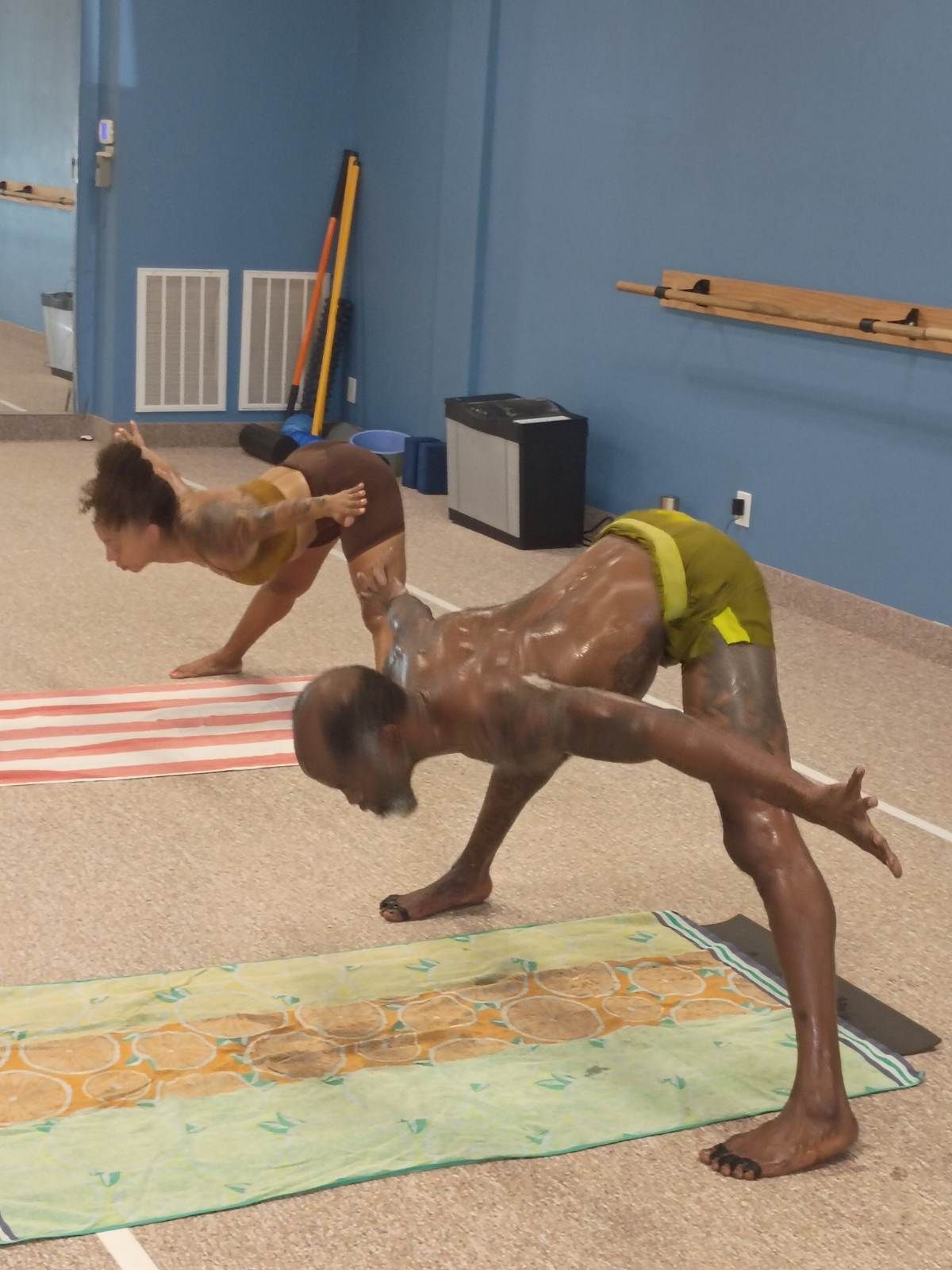
Bikram yoga takes place in a room heated to approximately 105 degrees Fahrenheit with 40% humidity. This isn't just about making you sweat more. The heat creates specific changes in your body that make the practice more effective.
When you're in that warm room, your body responds in several helpful ways:
- Blood flow increases throughout your entire system, bringing more oxygen and nutrients to your muscles
- Your heart rate goes up from the heat, giving you cardio benefits along with flexibility work
- Muscles become more pliable when warm, letting you stretch deeper and more safely than in a cool room
- Circulation improves in areas that might not get much blood flow during regular daily activities
The 26 postures aren't random either. Each pose prepares your body for the next one, creating a logical sequence that systematically works different muscle groups while building heat and focus throughout the class.
Think of it like warming up your car in winter: everything just works better when it's at the right temperature. Your joints move more freely, your muscles respond better to stretching, and your mind can focus on the practice instead of fighting stiffness.
Physical Changes You'll Notice
Getting More Flexible Without the Injury Risk
The beauty of practicing in heat is that your muscles and joints respond much better to stretching when they're warm. Unlike cold stretching, which can lead to pulls or strains, warm muscle fibers elongate more safely and effectively.
You'll likely notice improvements in these areas:
- Spine mobility gets better through forward bends, backbends, and twisting poses
- Hip flexibility opens up through poses like Triangle and Standing Head to Knee
- Shoulder tension releases through Eagle pose and other arm variations
- Tight hamstrings gradually lengthen through multiple forward-bending positions
- Overall range of motion improves as your body adapts to the regular practice
Many people are surprised at how quickly they see changes. The key is consistency: your body adapts when it knows what to expect. The systematic nature of the sequence means you're not just randomly stretching. Each pose builds on the previous one, creating a logical progression that safely takes your body through its full range of motion.
Building Real Strength Through Static Poses
Don't let the focus on flexibility fool you: holding yoga poses for 30 to 60 seconds builds serious strength. Your muscles work hard to keep you stable and aligned, especially in the heat.
Standing poses are particularly good for this:
- Leg strength develops as you balance and hold positions like Awkward pose and Standing Bow
- Core stability improves constantly as you maintain proper posture throughout all poses
- Functional strength builds that actually help with daily activities like lifting and carrying
- Muscle endurance increases as you learn to hold poses longer without fatigue
- Balance and proprioception improve as you challenge your body's position sense
The heat makes everything more challenging, so your muscles adapt and get stronger over time. It's like adding resistance to your workout without lifting weights. Plus, because you're working multiple muscle groups simultaneously, you develop the kind of integrated strength that translates well to real-life movements.
Heart Health Benefits
Your cardiovascular system gets a workout, too. The combination of physical poses and heat exposure raises your heart rate throughout the 90-minute class, similar to moderate cardio exercise.
This happens because:
- Your heart pumps harder to circulate blood in the heat
- Holding challenging poses increases your heart rate naturally
- Your body works to cool itself while you're moving and stretching
- The sustained activity provides aerobic conditioning benefits
For people who find traditional cardio boring, this can be a great way to improve heart health while also working on flexibility and strength.
Mental and Emotional Benefits
Stress Relief Through Moving Meditation
There's something special about the mental side of Bikram yoga. The heat and challenging poses require you to stay focused and present, which naturally quiets your busy mind.
Because the sequence never changes, you don't have to think about what's coming next. This lets you:
- Focus on your breath and body instead of wondering about the next pose
- Develop better concentration skills that carry over into daily life
- Learn to stay calm under pressure (literally, since the room is hot)
- Practice letting go of perfectionism and judgment
Many people find that the mental break from their regular worries is just as valuable as the physical benefits. In our constantly connected world, having 90 minutes where you're completely focused on the present moment can be incredibly restorative.
Building Confidence and Inner Strength
Learning to breathe calmly while holding difficult poses in the heat teaches you a lot about your own capabilities. You discover you can handle more than you thought possible.
The practice helps you:
- Distinguish between productive challenge and harmful pushing
- Develop patience with your body's natural learning process
- Build confidence that extends beyond the yoga studio
- Learn better self-awareness and body wisdom
This mental training often shows up in other areas of life as improved decision-making and stress management. Students frequently report feeling more resilient and better able to handle work pressures or personal challenges.
Better Sleep and Recovery
The physical demands combined with stress relief often lead to better sleep quality. Your body gets the deep rest it needs to recover and rebuild.
Plus, practicing yoga regularly teaches you to:
- Listen to your body's signals for rest and recovery
- Make better choices about sleep, food, and stress management
- Recognize when you need to take care of yourself
- Develop healthier daily rhythms
Supporting Your Body's Natural Processes
How Heat and Movement Help Circulation
While your body naturally detoxifies through your liver, kidneys, and other organs, the increased circulation from hot yoga may support these processes. Better blood flow helps deliver nutrients where they're needed and move waste products out more efficiently.
The deep breathing that's part of every pose also helps:
- Improve oxygen delivery throughout your body
- Support better circulation to areas that might be tight or restricted
- Enhance your overall energy and vitality
- Promote relaxation of your nervous system
Why Twisting and Compression Matter
Many of the poses involve twisting or gentle compression of your torso, which may help with circulation to your internal organs. Think of it like wringing out a sponge: when you release the twist, fresh blood flows back in.
This mechanical action, combined with the heat and movement, creates conditions that support your body's natural cleaning and healing processes. The breathing exercises also play a role here. Deep, controlled breathing helps activate your parasympathetic nervous system, which supports rest, digestion, and recovery.
Training Options and Finding Quality Instruction
What Makes a Good Bikram Yoga Studio
Not all hot yoga classes are the same. Traditional Bikram yoga follows a specific format with certified instructors who've completed intensive training programs. When looking for a Bikram yoga studio, consider these factors:
- Instructor certification - look for teachers trained in the traditional 26 & 2 sequence
- Room conditions - proper temperature and humidity control for safety and effectiveness
- Class size - smaller classes allow for better individual attention
- Community atmosphere - a supportive environment that welcomes beginners
For those interested in deepening their practice, yoga teacher training enrollment options typically include anatomy, teaching methodology, and extensive practice of the sequence. Many practitioners find that yoga training purchase programs provide structured learning that enhances their personal practice, even if they don't plan to teach.
As you become more comfortable with the heat and postures, you might consider joining an advanced yoga class to challenge yourself further. These classes often include variations and deeper expressions of the traditional poses.
Getting Started: What to Expect
| Aspect | What's Normal | How to Prepare |
|---|---|---|
| Heat Level | 105°F feels intense at first | Come well-hydrated and bring water |
| Class Length | 90 minutes for full sequence | Some studios offer shorter intro classes |
| What to Wear | Minimal, sweat-wicking clothes | Skip cotton; bring a change of clothes |
| First Classes | Challenging but doable | Take breaks when needed; focus on breathing |
| Equipment | Yoga mat and towel | Non-slip mats work best in the heat |
Your first few classes might feel overwhelming, but that's completely normal. Most people adapt to the heat within 3-5 sessions, and you'll start feeling more comfortable with the poses as you learn proper alignment.
Starting with 2-3 classes per week gives your body time to adjust while building the habit. Many students find that consistency matters more than intensity when they're beginning.
Don't forget about hydration: you'll probably need to drink more water overall when you start practicing hot yoga regularly. Think of it as part of taking better care of yourself.
Most studios offer new student packages that allow you to attend multiple classes at a reduced rate. This encourages consistent practice during the adaptation period and helps you establish a routine. When considering a hot yoga class at a Grand Rapids location, look for studios that offer beginner-friendly options and supportive instruction.
Frequently Asked Questions
How often should beginners practice Bikram yoga to see benefits?
Most beginners see positive changes with 2-3 classes per week, allowing rest days for recovery. Consistency matters more than frequency when you're just starting out.
Is Bikram yoga safe for people with high blood pressure or heart conditions?
Anyone with cardiovascular concerns should check with their doctor before starting hot yoga practice. The heat and physical activity require medical clearance for people with heart conditions.
Can pregnant women safely practice Bikram yoga?
Pregnancy requires special considerations because of the heat and certain poses. Pregnant women should look for prenatal yoga classes designed specifically for expectant mothers.
How long does it take to see flexibility improvements?
Most people notice increased flexibility within several weeks of regular practice. Your results will depend on your starting point, how often you practice, and proper form.
What should I eat before a Bikram yoga class?
Light meals 2-3 hours before class work well, but avoid heavy meals within 4 hours of practice. The heat and activity can cause discomfort if you practice on a full stomach.
Final Thoughts
Bikram yoga's lasting appeal comes from its straightforward approach to improving both physical and mental health through a proven sequence of postures and breathing exercises. The 26 & 2 method gives you a clear path for building strength, flexibility, heart health, and mental resilience in a supportive heated environment. Whether you're looking to get more flexible, manage stress better, or simply try something new, this time-tested practice offers tools you can use for life when you approach it with consistency and guidance from experienced instructors.
Start your journey with the traditional 26 & 2 sequence at Pure Hot Yoga GR. Our experienced instructors guide beginners and advanced practitioners through every pose in our properly heated studio. Visit purehotyogagr.com to view class schedules and new student specials.
Reference:
https://www.heart.org/en/healthy-living/fitness/fitness-basics/strength-and-resistance-training-exercise